Training
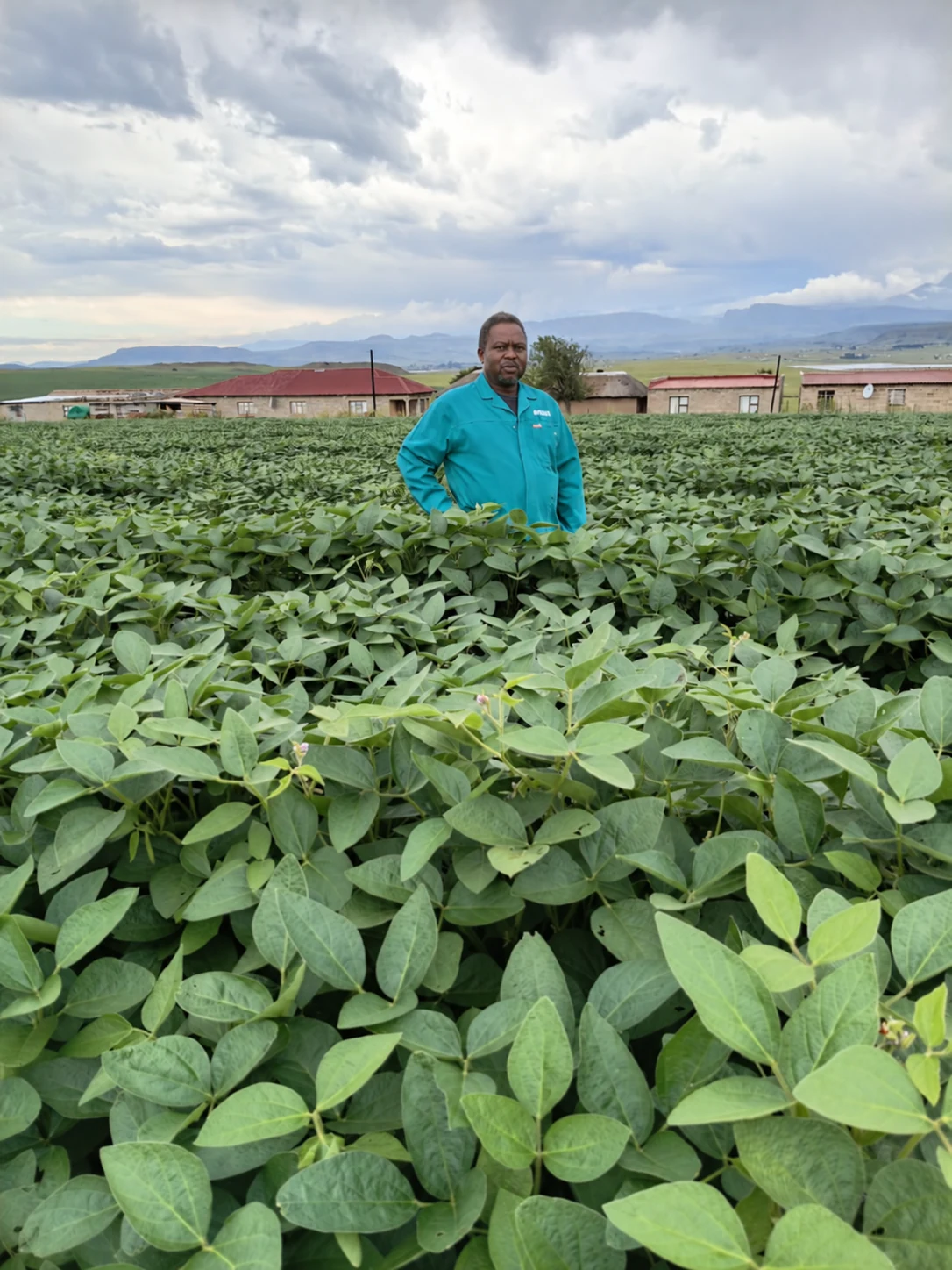
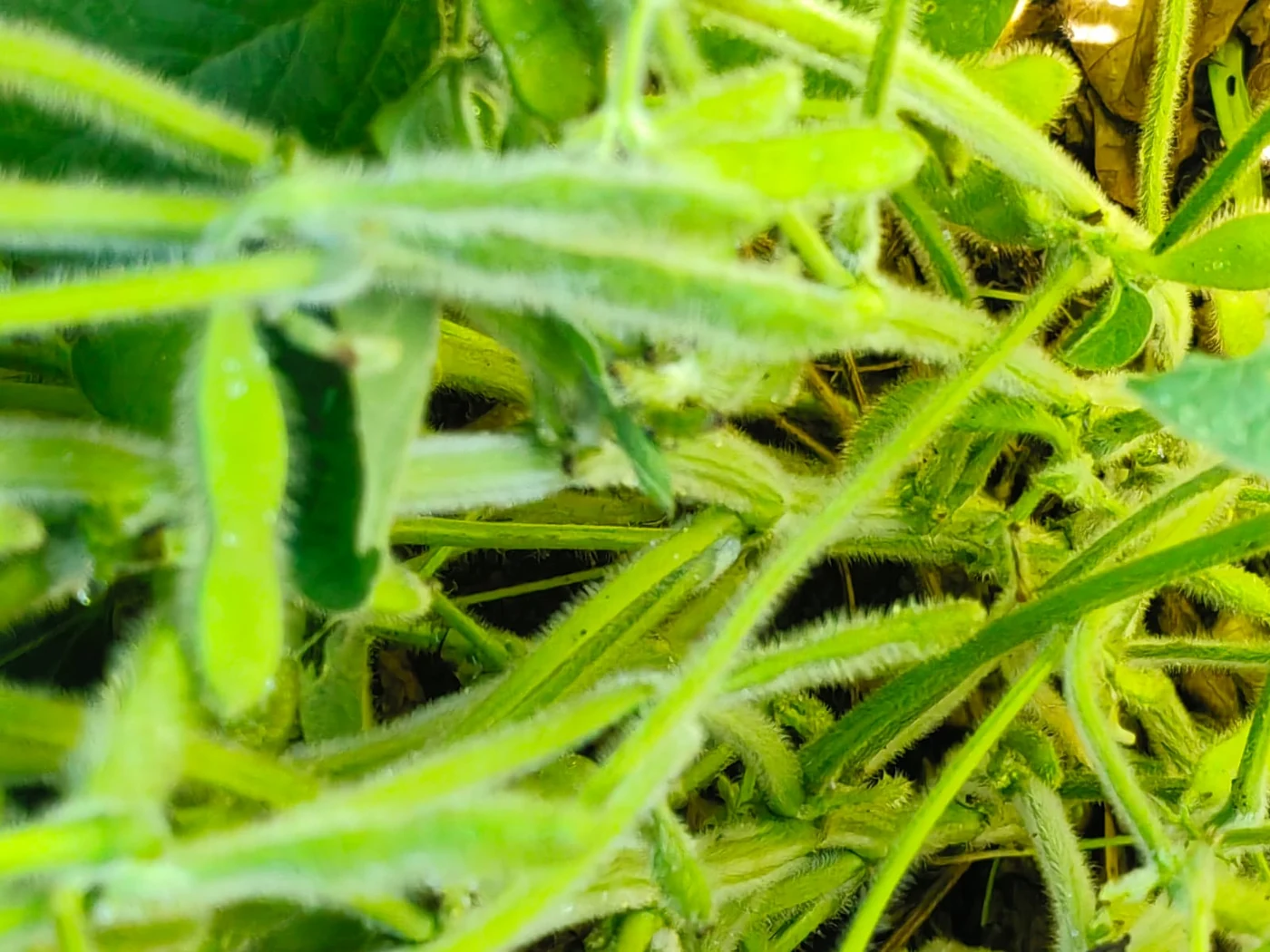
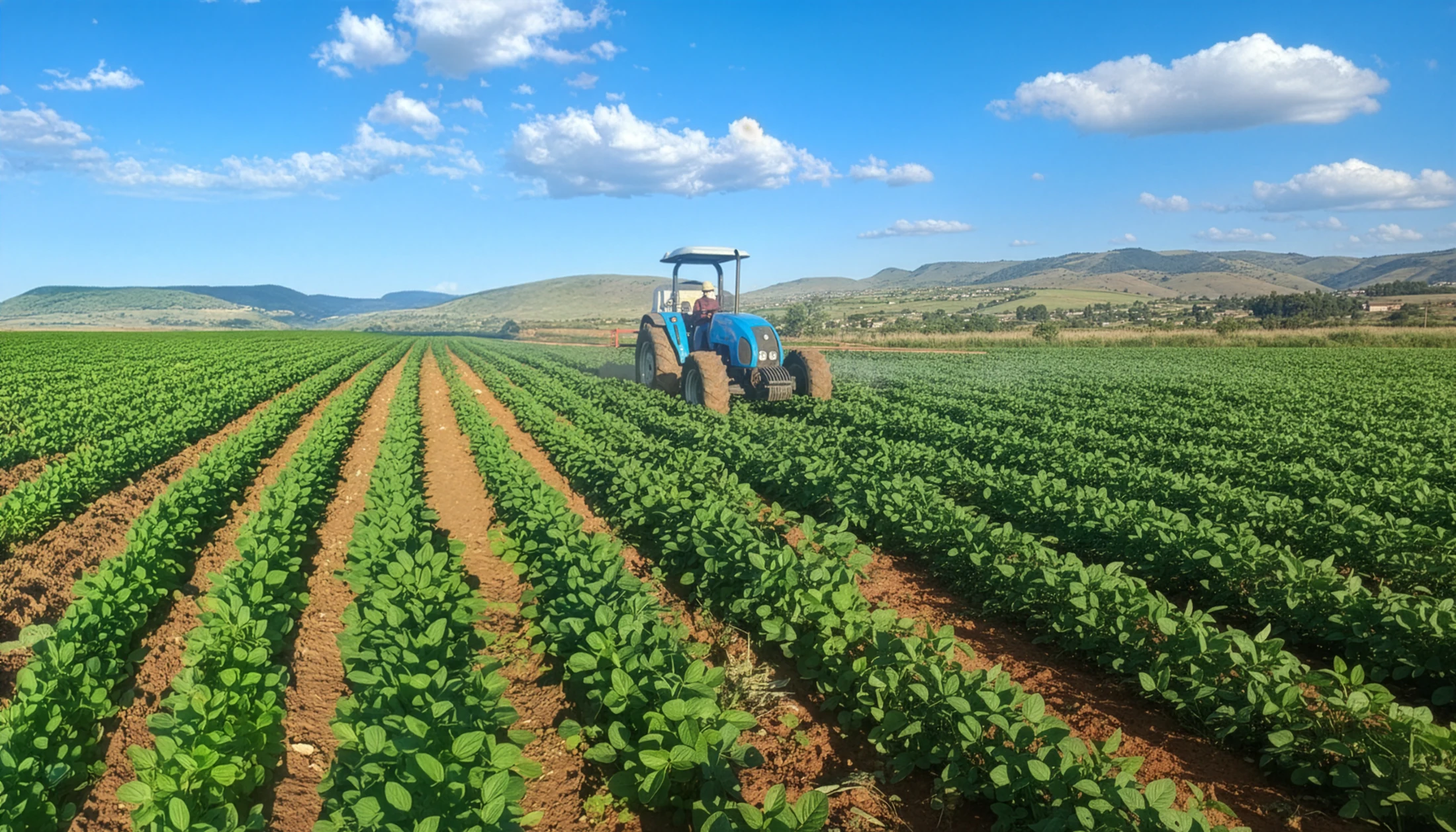
We provide hands-on training in sustainable soybean cultivation, equipping farmers with modern, eco-friendly practices to boost yields and protect soil health.
 THE EDEN SOCIAL DEVELOPMENT FOUNDATION
Our Mission
Since 2010, the Eden Social Development Foundation (ESDF) has empowered small-scale farmers to fight malnutrition and poverty through sustainable soybean farming. By providing training, resources, and support—especially to women and youth—we help communities build food security, economic opportunity, and lasting self-reliance.
We provide hands-on training in sustainable soybean cultivation, equipping farmers with modern, eco-friendly practices to boost yields and protect soil health.
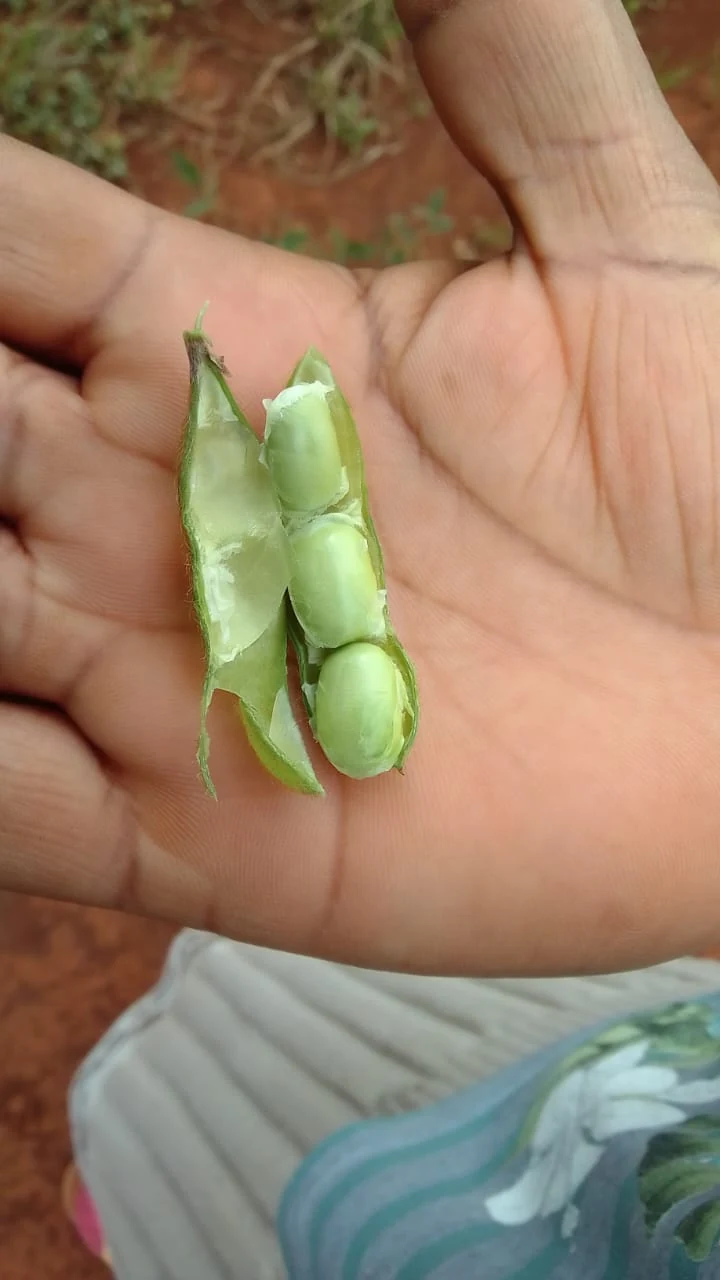
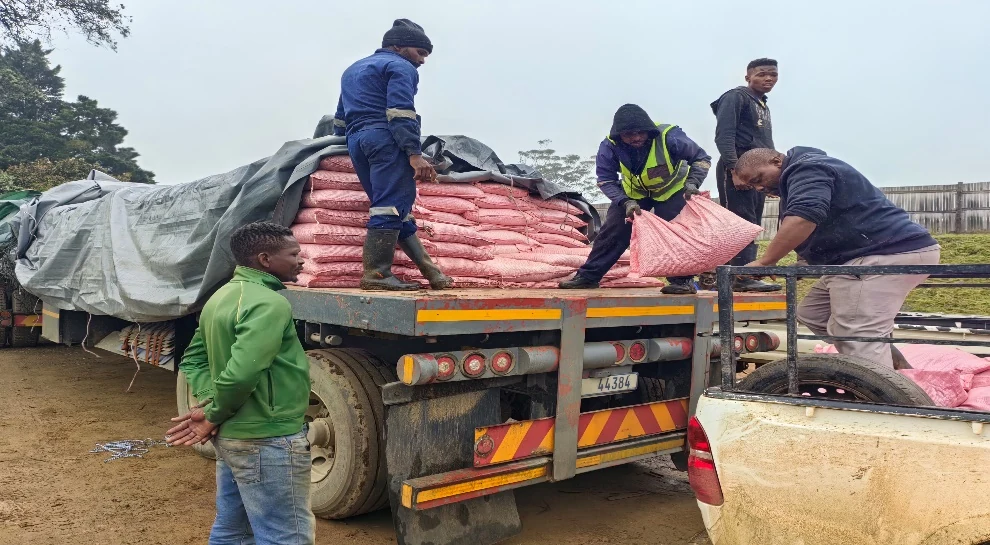
Access to quality raw materials and certified inputs ensures that farmers can plant, grow, and harvest soybeans efficiently and consistently.
We support the establishment of reliable markets for harvested soy, linking farmers to buyers and strengthening local agricultural value chains.
Workshops on using soy in everyday household meals help combat malnutrition by promoting affordable, protein-rich food options.
Cultivating Change Through Soybean Farming (2025/2026 Season)
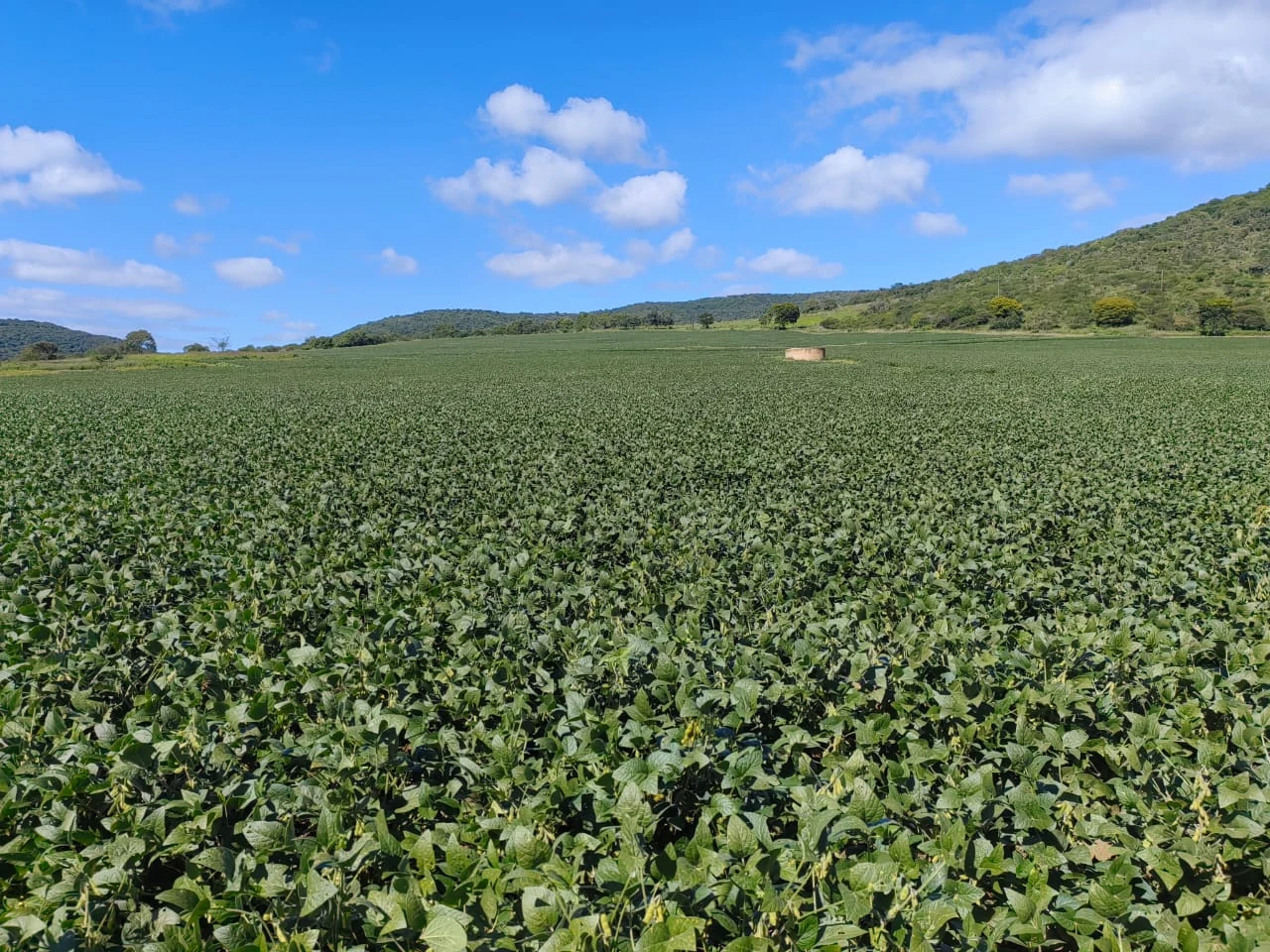
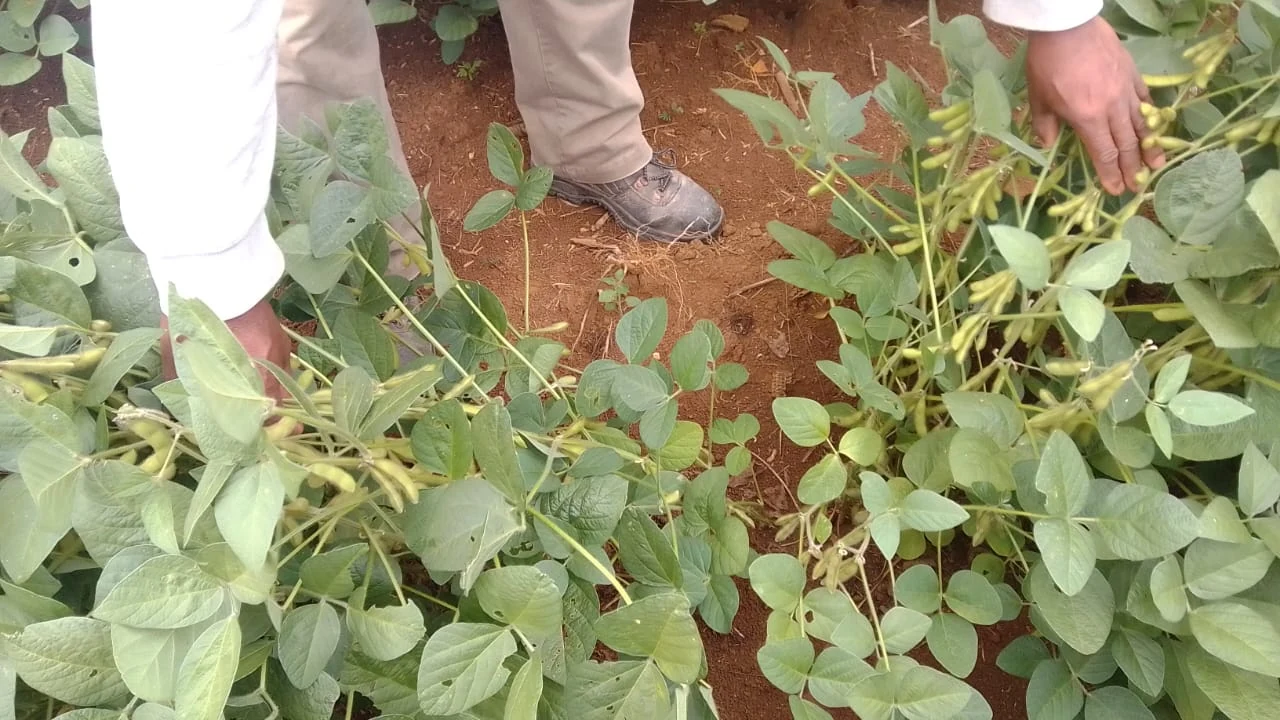
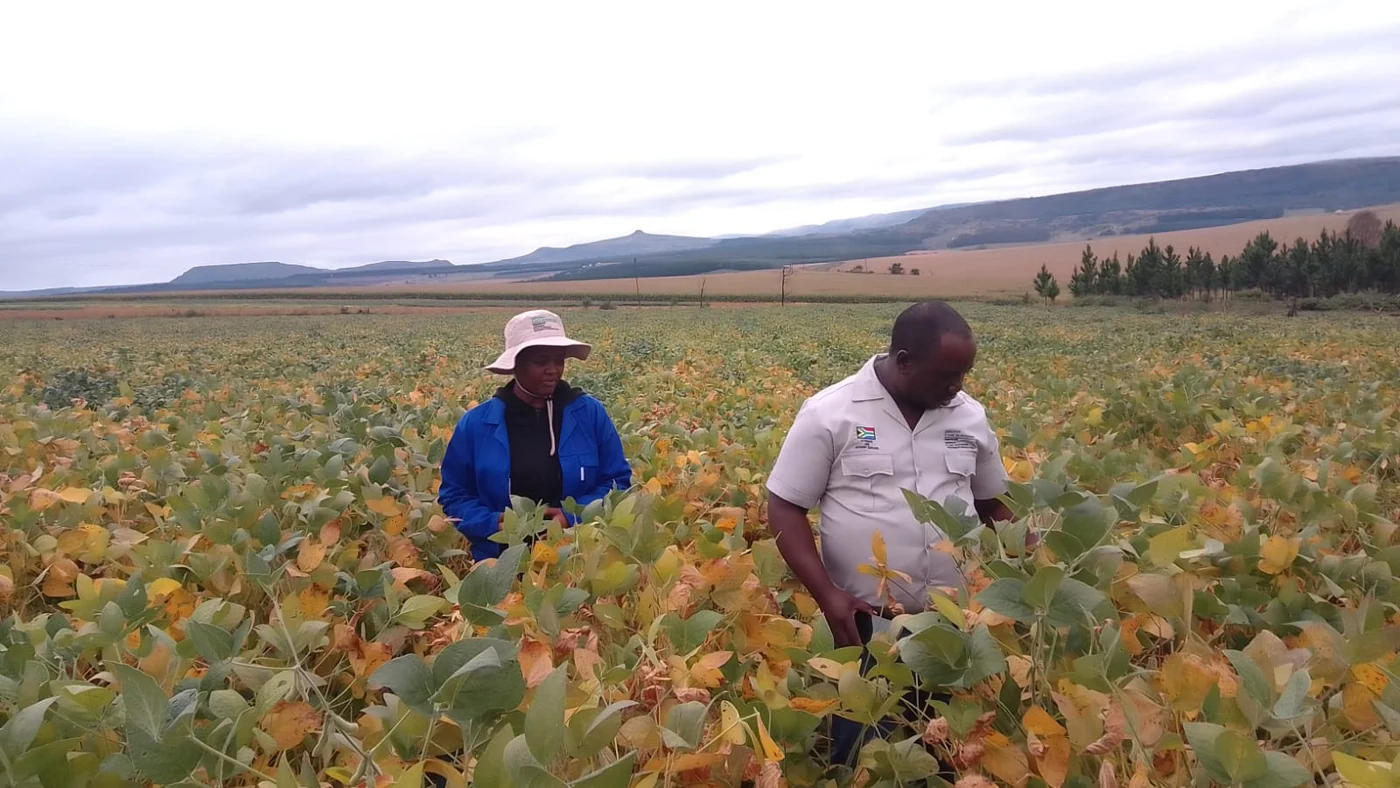
In 2025/26, ESDF worked with farmers in nine areas of KwaZulu-Natal. Hail, heavy rain, harvesting access and crop-quality problems affected each area differently.
Together, farmers planted 1,419 hectares, with 1,226.162 tonnes and R7,625,515.57 in income recorded for the season. These results show both what farmers achieved and where practical support is needed next.
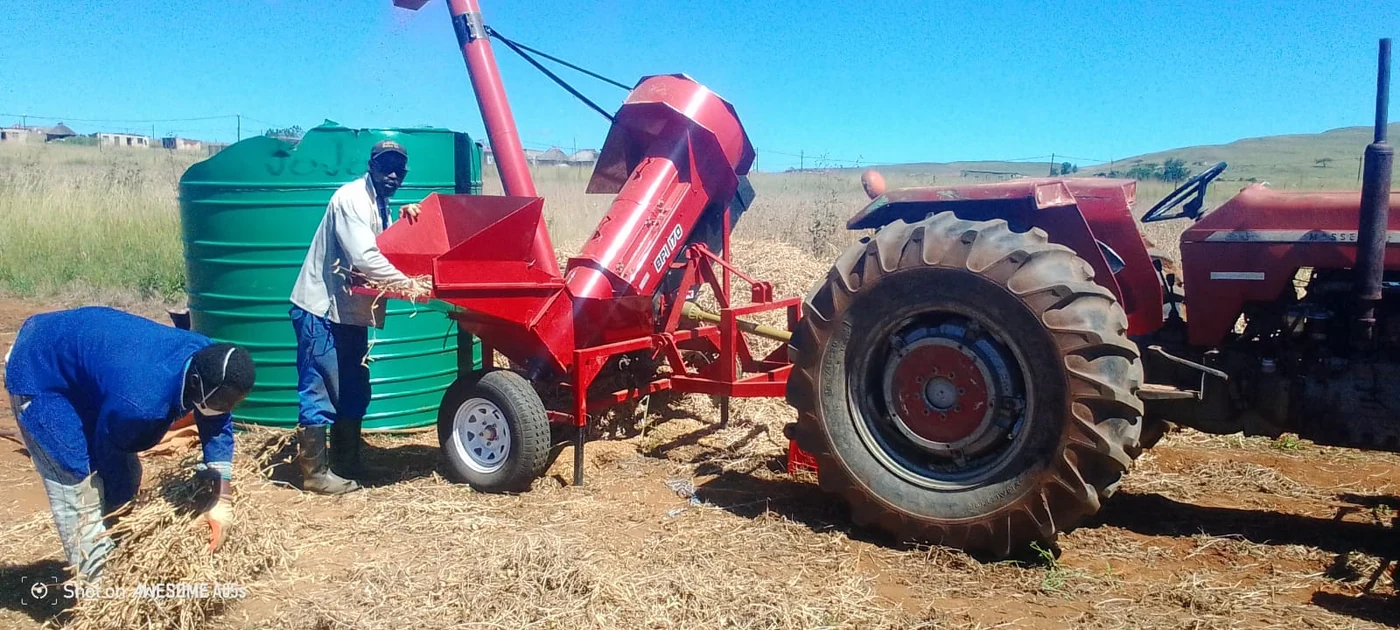
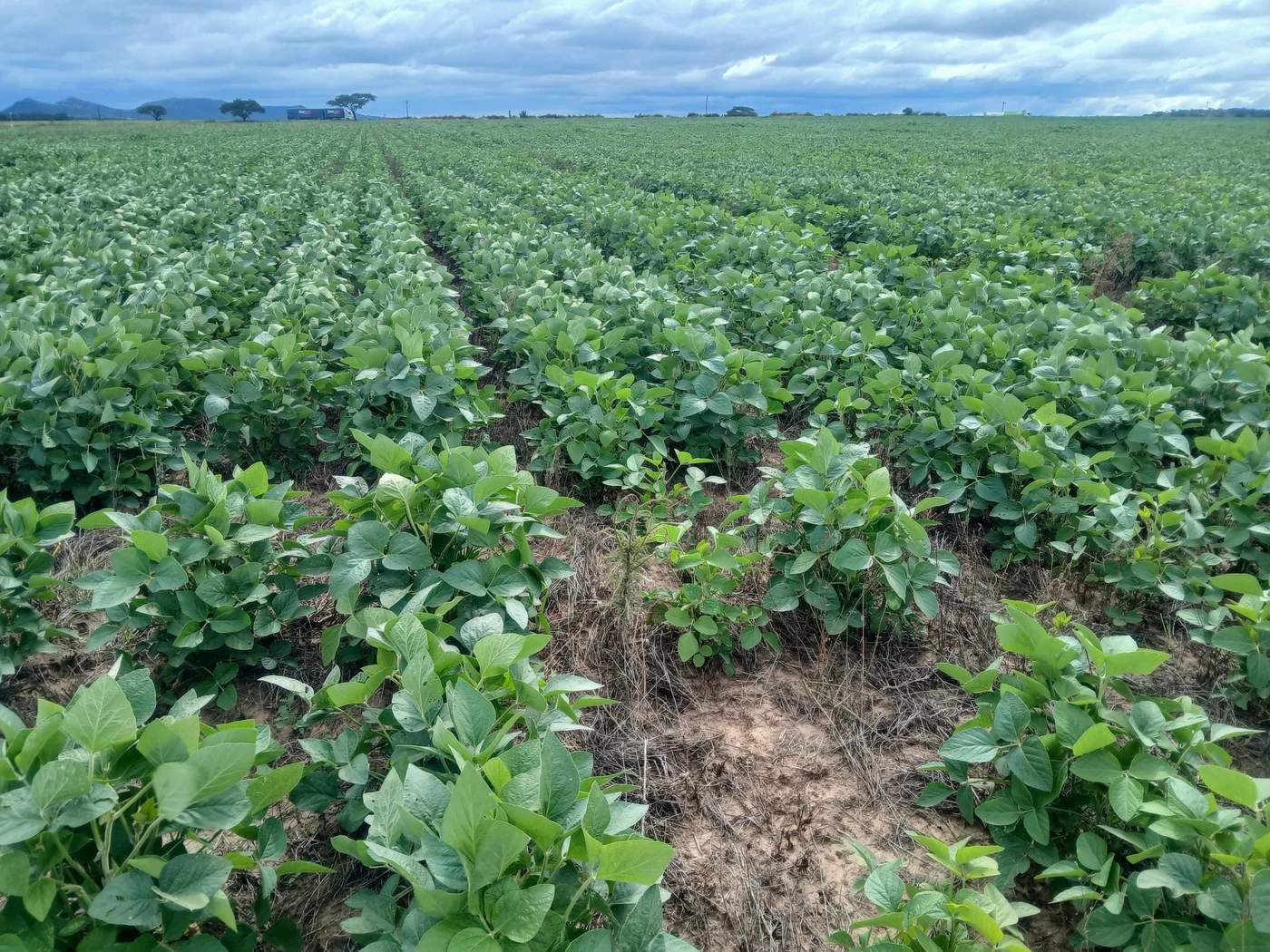
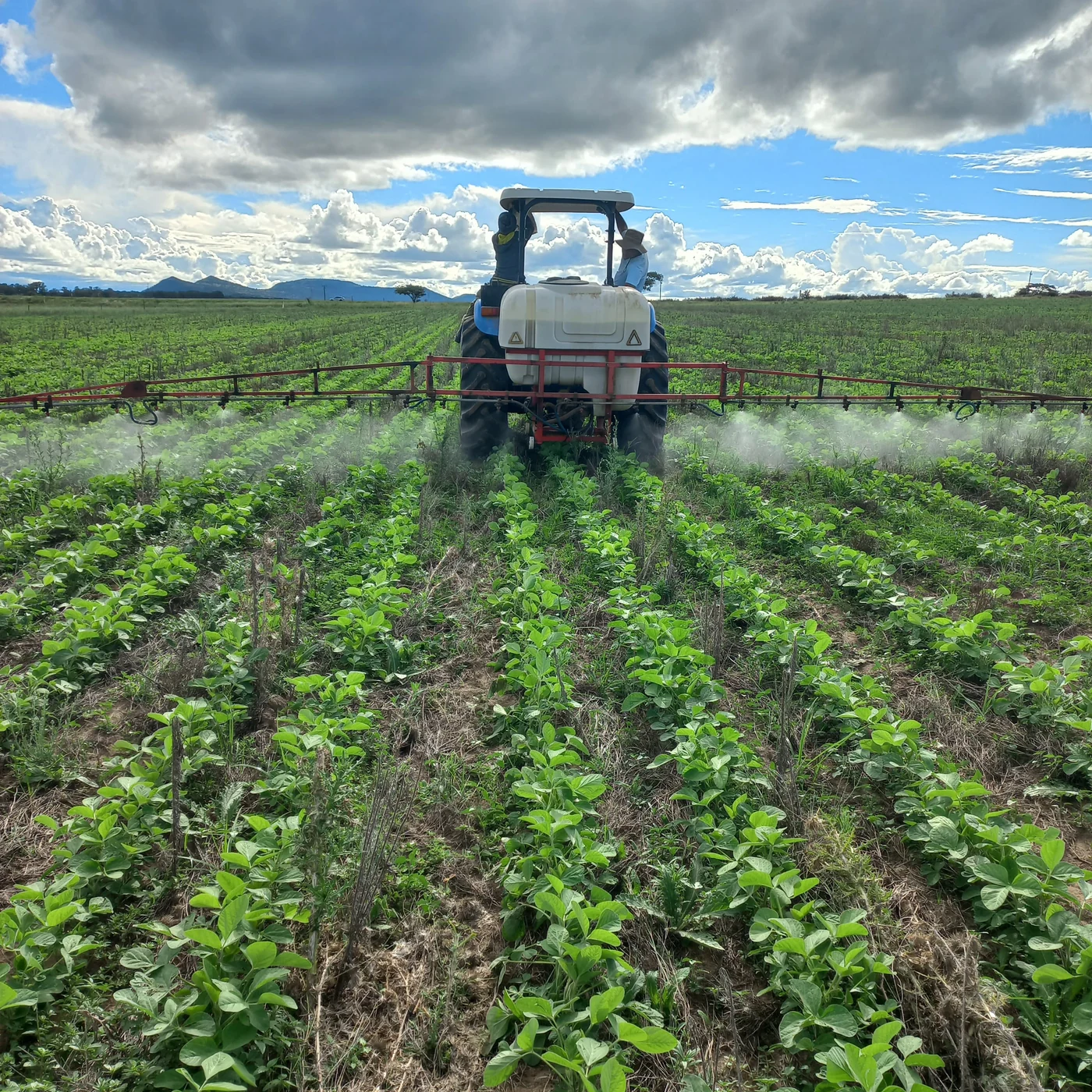
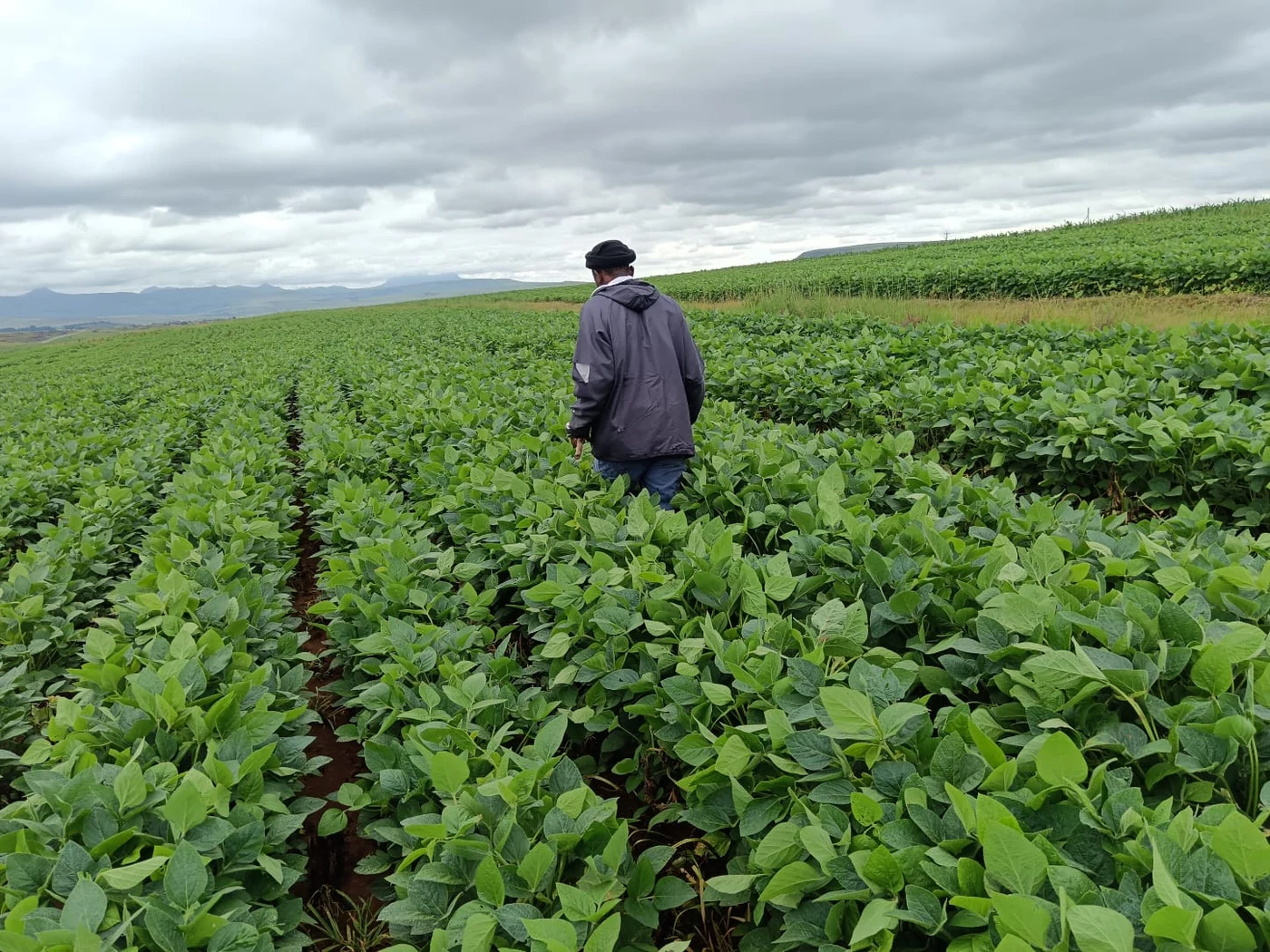
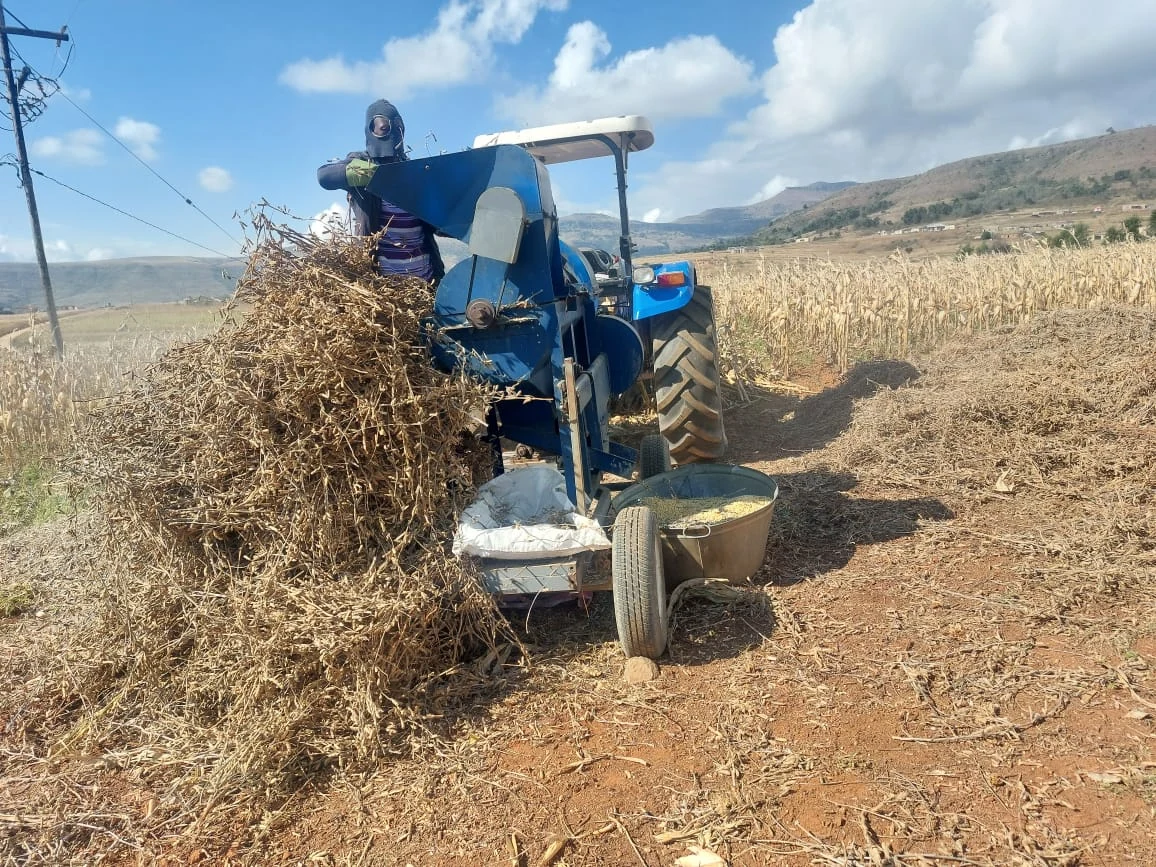
Farmers in Okhahlamba / Bergville planted 611.5 hectares in 2025/26, with 531.775 tonnes and R3,334,012.67 in income recorded for the area.
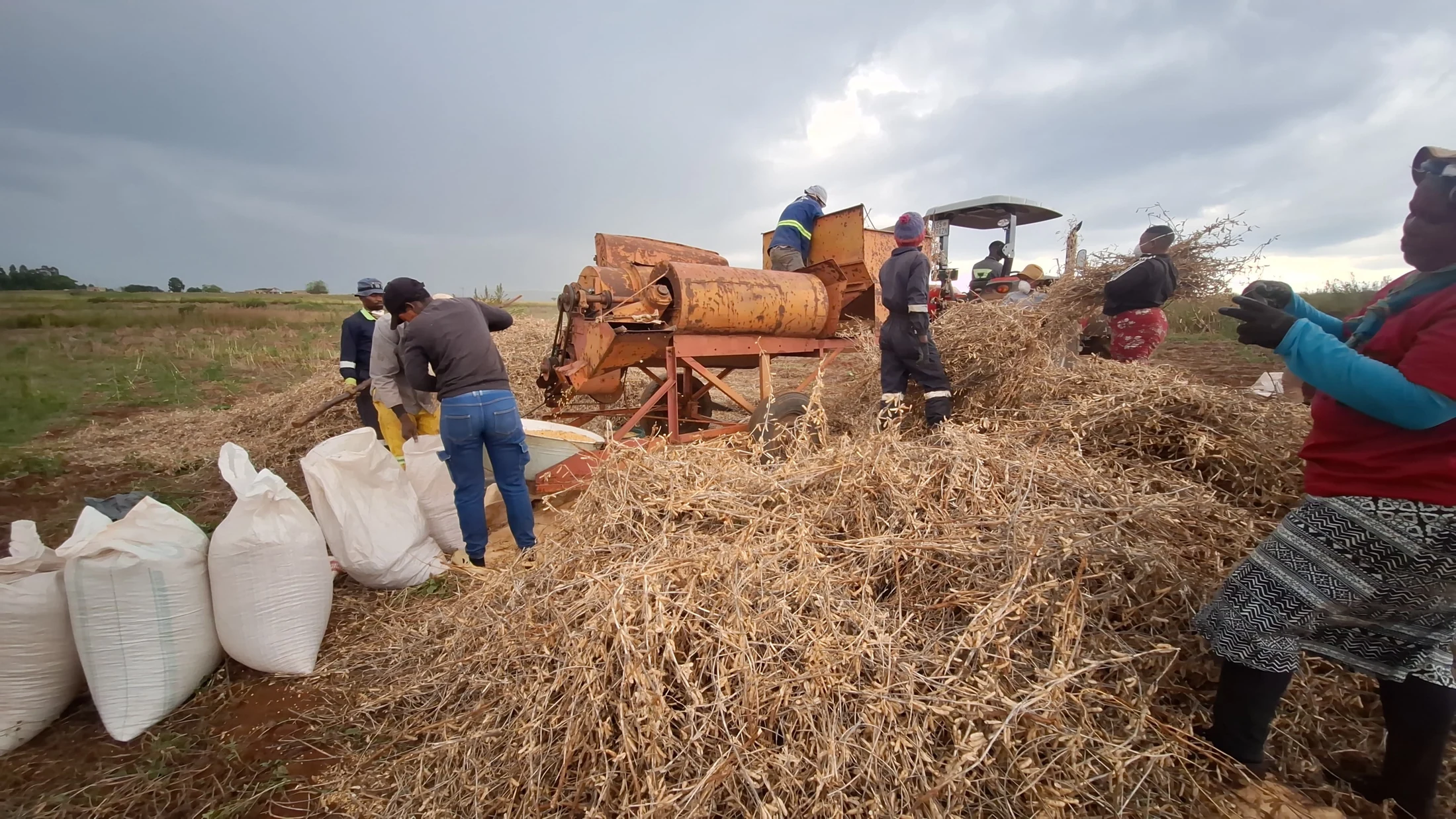
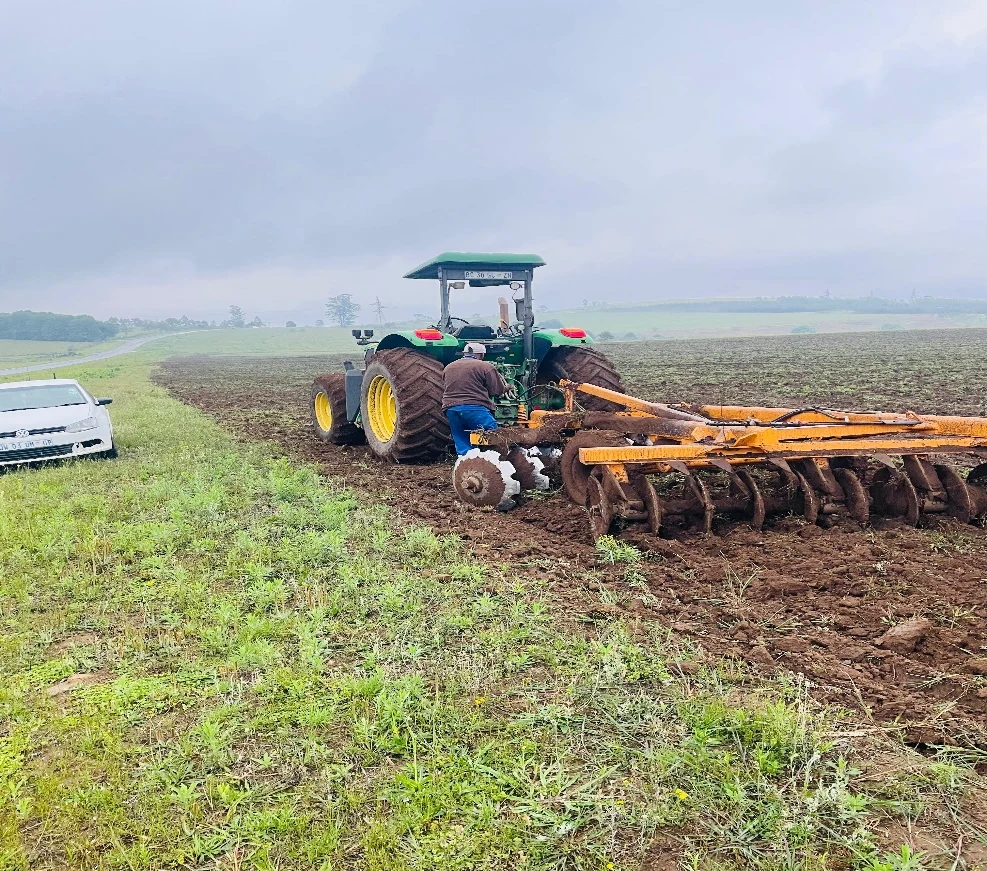
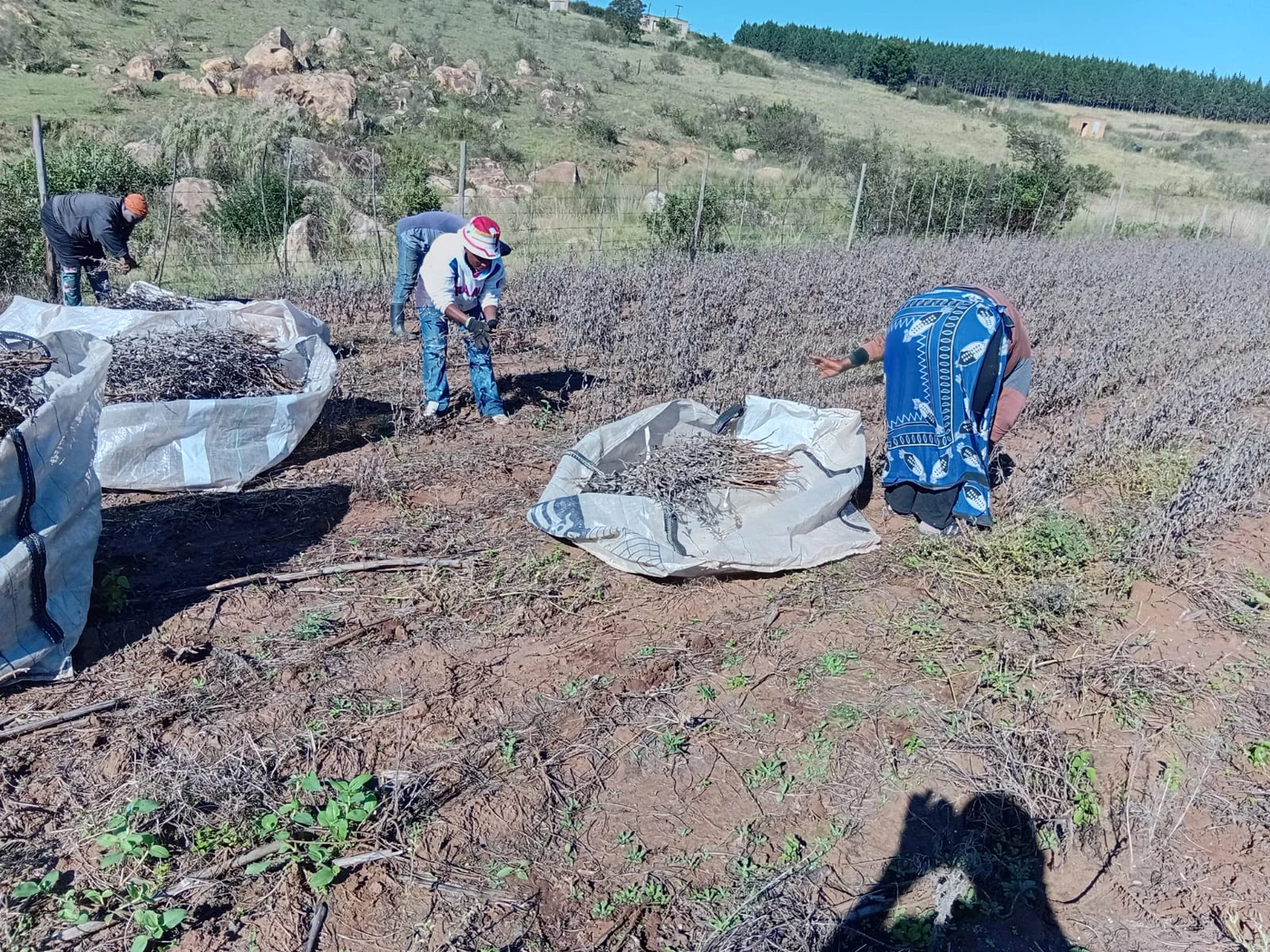
Mentors focused on planning and improving results per hectare. Roads, terrain and field access determined whether farmers could use combines, tractor-drawn machinery, small threshers or hand harvesting. The priority for next season is to plan the harvesting method before planting.
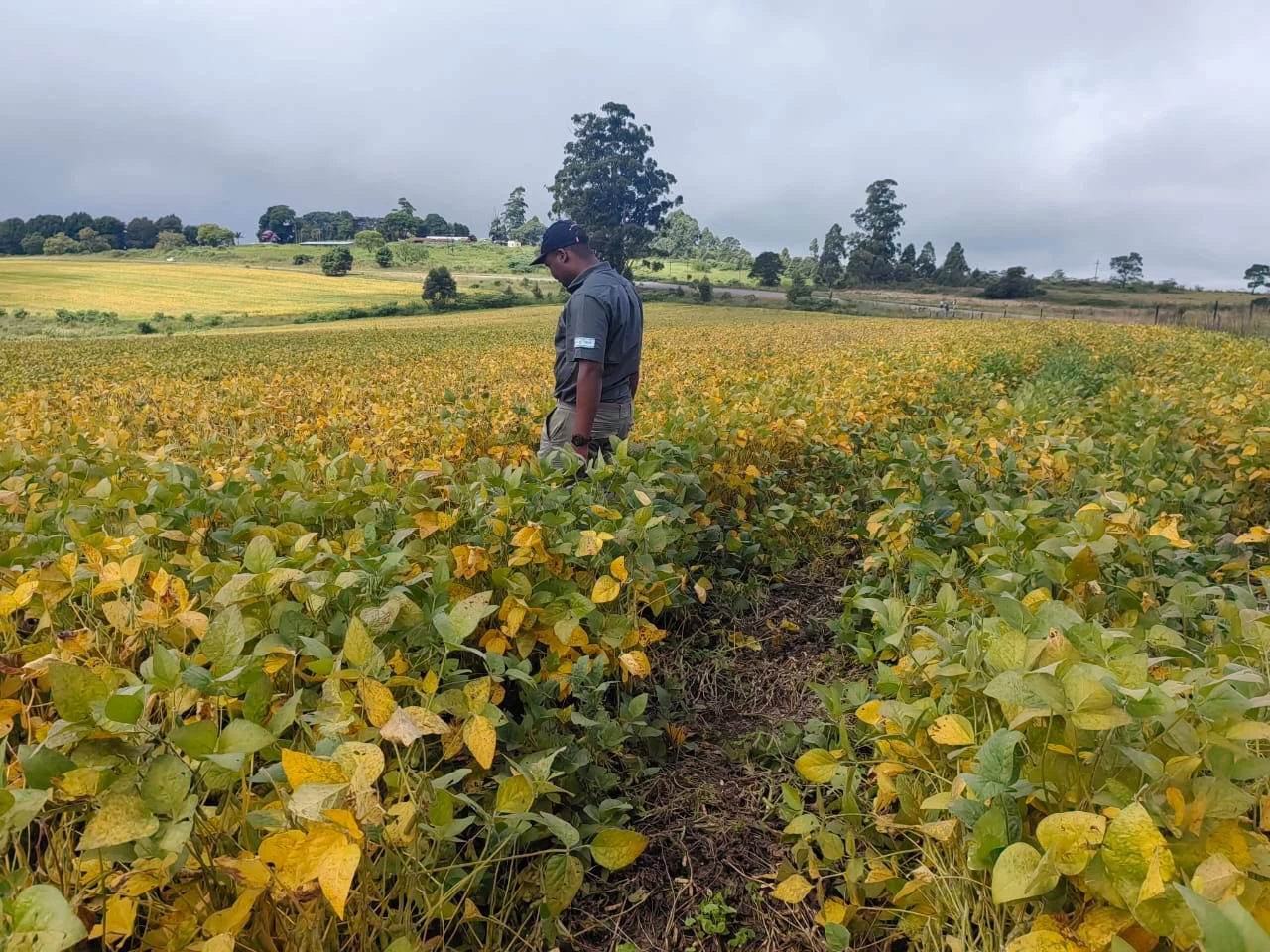
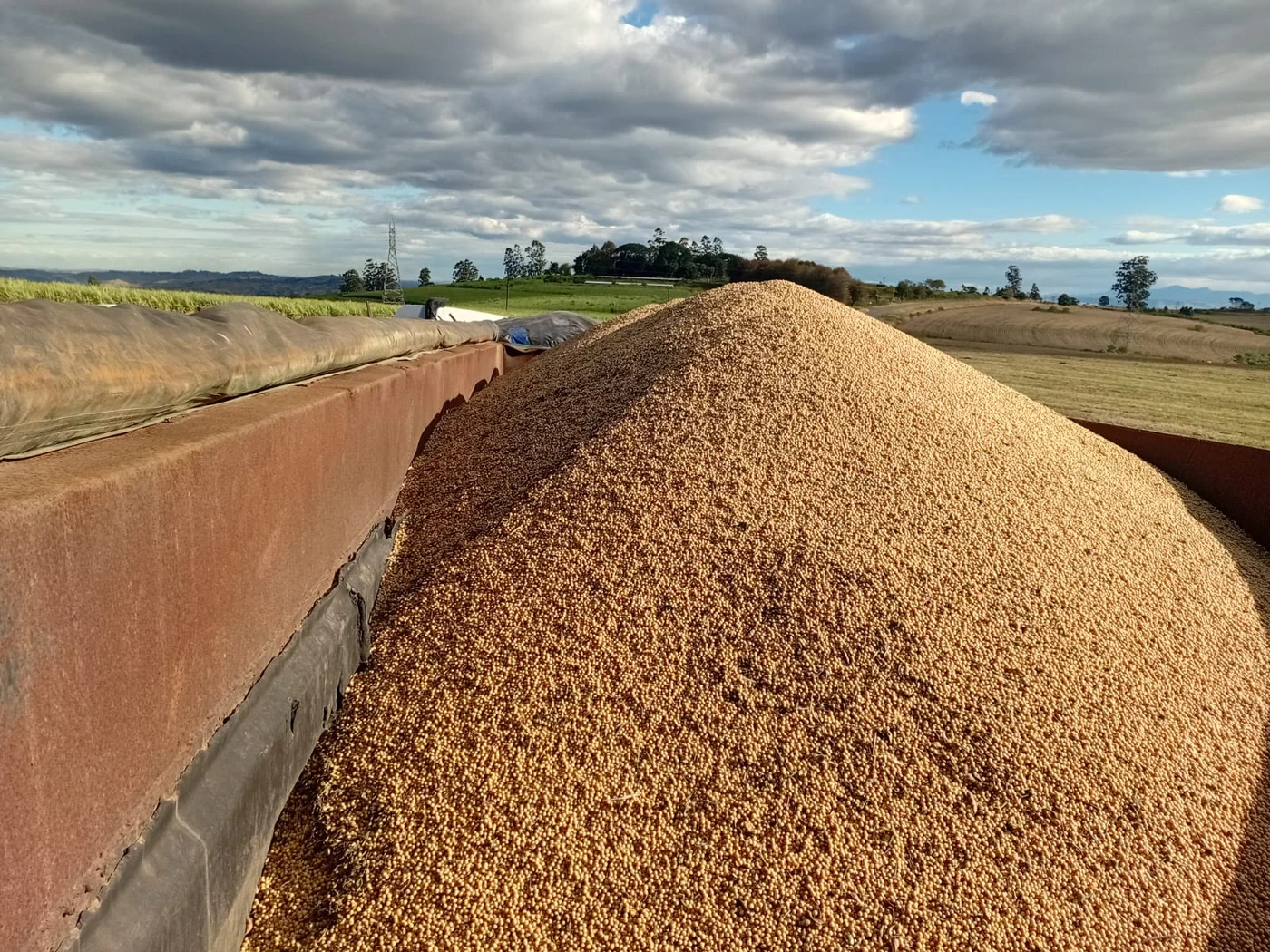
Across Ubuhlebezwe, Umzumbe and Greater Kokstad, farmers planted 162 hectares in 2025/26, with 226.123 tonnes and R1,475,092.71 in income recorded for the area.
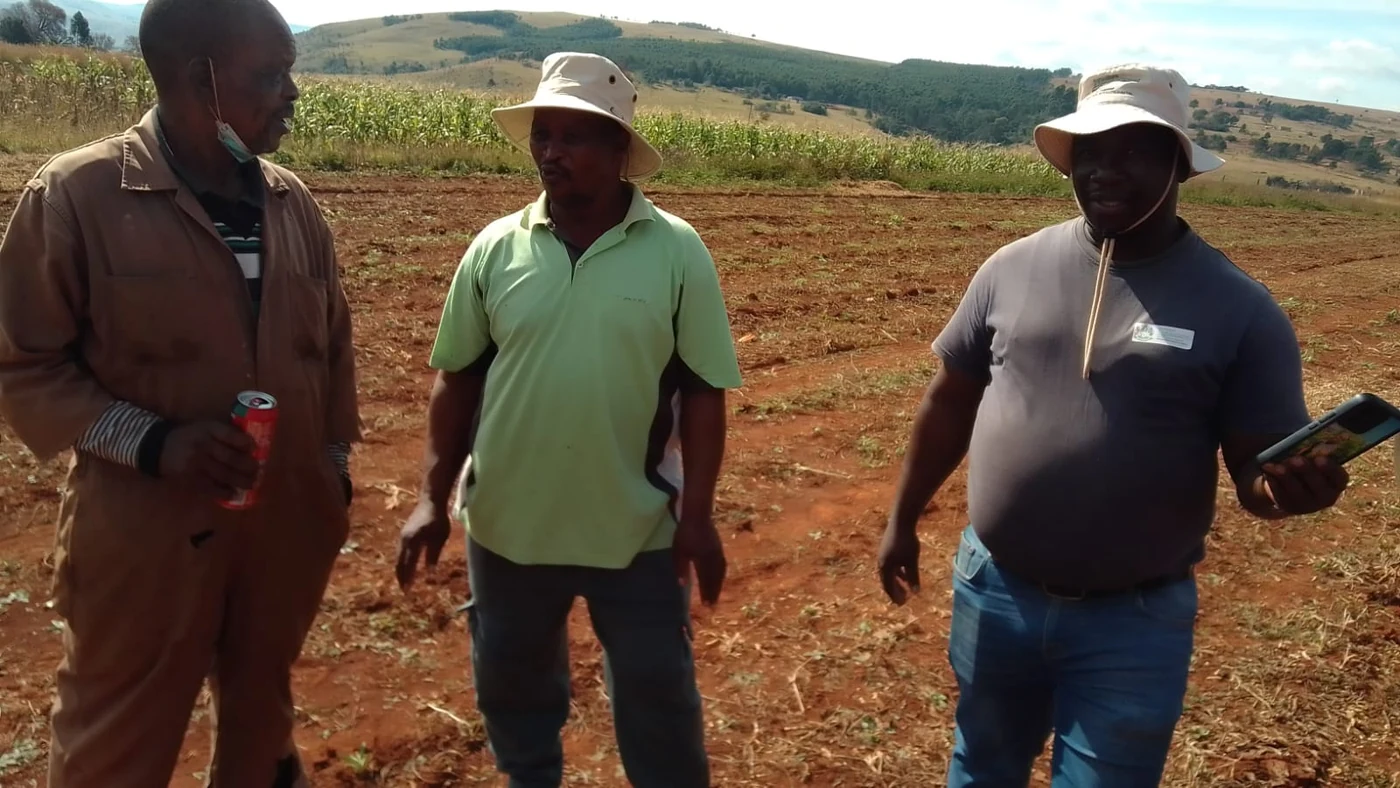
Mentors and agricultural advisors worked closely with farmers in the fields. After harvest, moisture, crop quality, buyer rejections, transport costs and delayed payments affected the value of the crop. Planning planting, harvesting and buyer requirements together is the next priority.
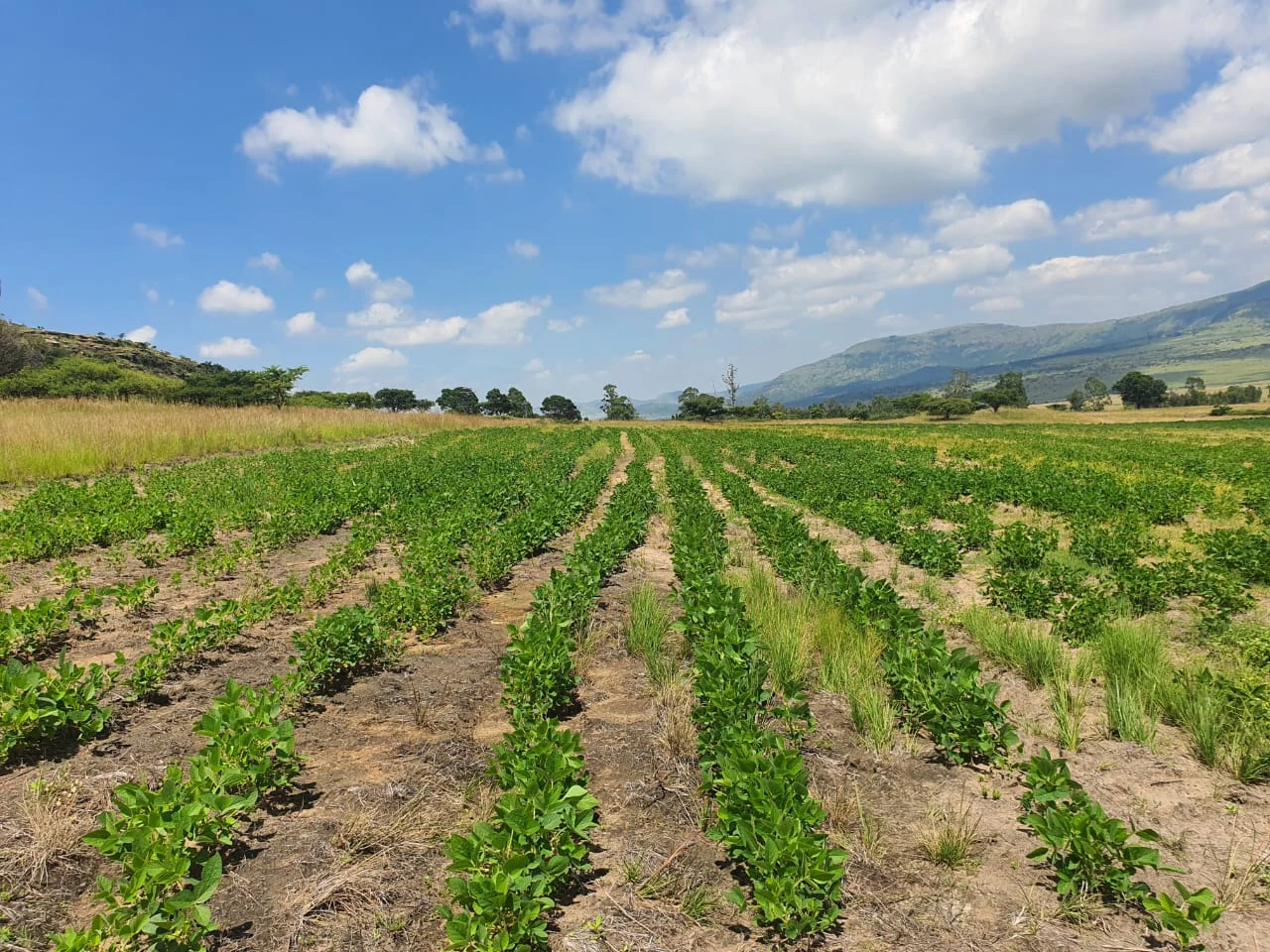
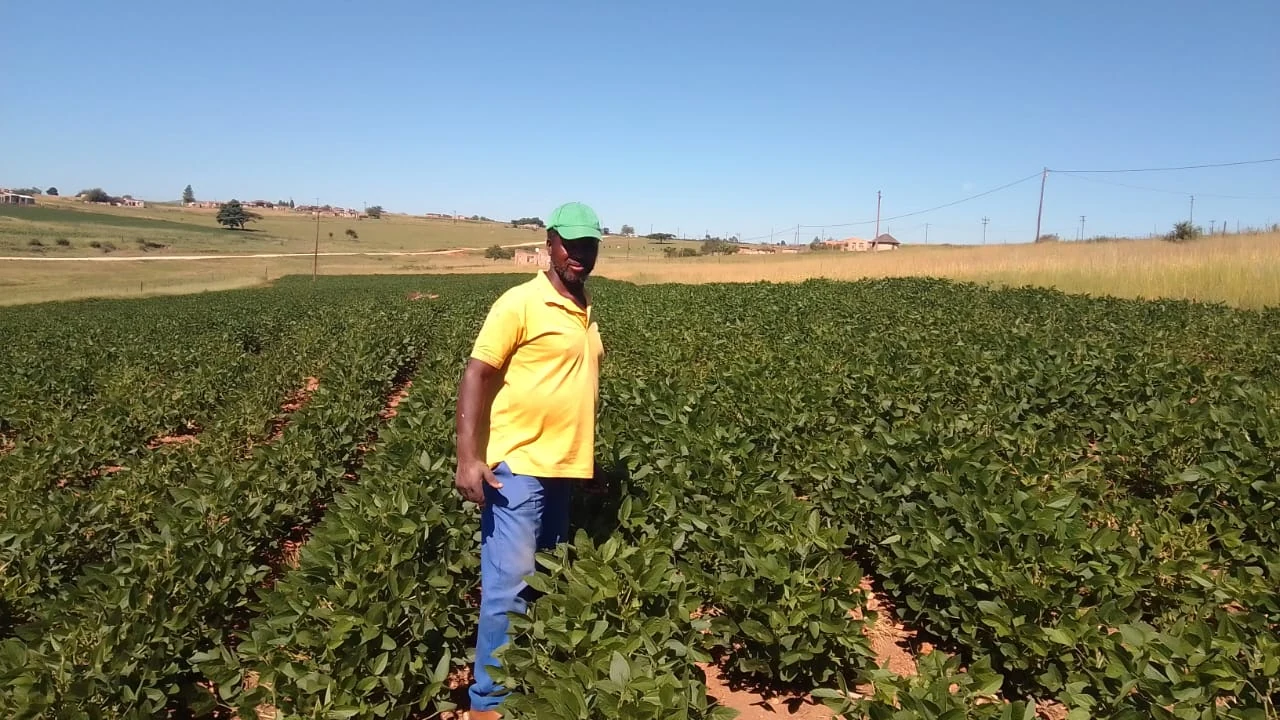
Zululand farmers planted 173 hectares in 2025/26, with 73.256 tonnes and R449,202.51 in income recorded for the area.
Weather damage and crop quality made selling the harvest difficult. By July some soybeans were still being dried or cleaned, and some were sold to other buyers after rejection at the intended market. Support will focus on existing farmers, earlier harvesting arrangements and clearer delivery records.
2025/26 Season
The programme included 202 farmer or group entries, of which 184 planted. Some entries represent groups, so this is not a count of individual farmers.
Farmers planted 1,419 hectares across nine areas of KwaZulu-Natal during the 2025/26 season.
Recorded tonnage across the nine areas totalled 1,226.162 tonnes during the 2025/26 season.
The 2025/26 area records show R7,625,515.57 in income. Harvest quality, market access and payment delays remained important challenges.
At Eden on 22–23 April 2026, financial training recorded 43 attendances. Soy in Food recorded 39 attendances on day one and 31 on day two.






Get in Touch